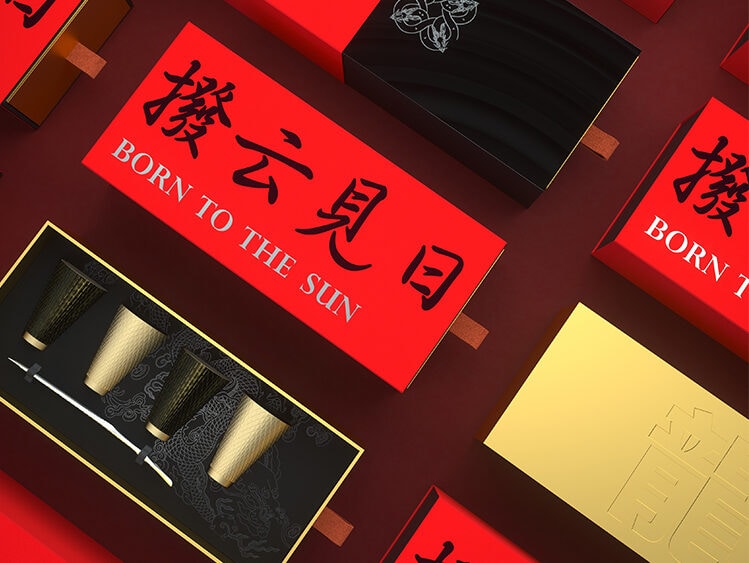
Can a Portable Ceramic Travel Cup be your gateway into B2B wholesale?
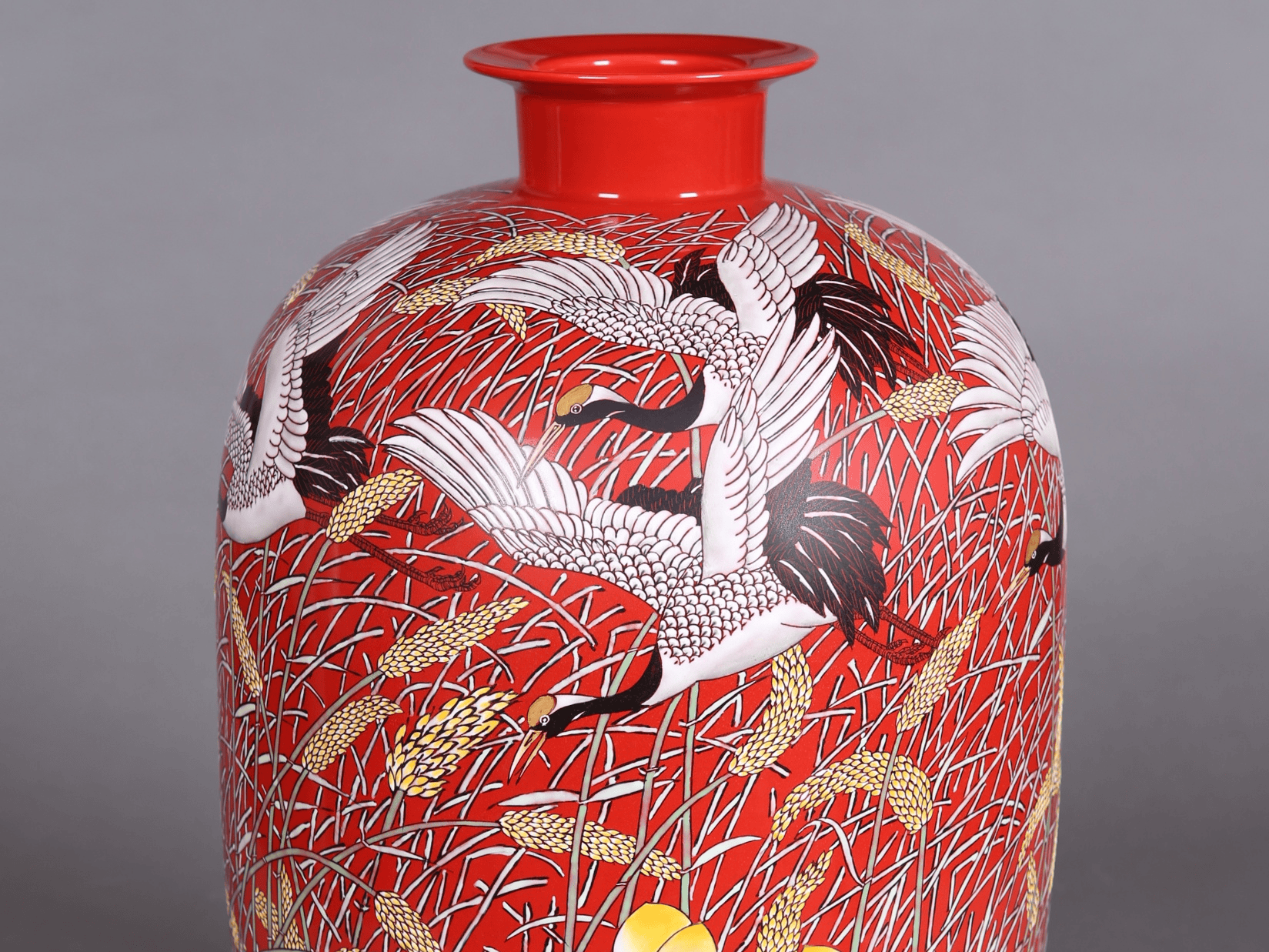
Terracotta form symbolizes a striking craft version with a long tradition, running back countless of ages. From ancient pots to contemporary setups, the resource offers incomparable possibilities for creative presentation. Artists apply distinct techniques – including hand-building, wheel shaping, and developed firing processes – to craft humble earth into stunning three-dimensional objects. The toughness of fired ceramic also contributes to its status as a truly important part of human tradition.
Studying Clay Plaque Motifs and Approaches
The sphere of ceramic sign design offers a sizable array of original possibilities. Sculptors often employ a mixture of time-honored and cutting-edge techniques to fabricate visually spectacular pieces. These can vary from simple, fashioned reliefs to complex, multi-layered configurations. Routine methods include the slip cast process, artisanal shaping, surface glazing – which can involve a range of genres like painting before firing, top glaze design, and incised illustration where designs are highlighted by excavating a layer of shell. Extended research into exterior stylings such as thermal treatment and pearlescent coating can offer truly uncommon and exclusive porcelain markers.
- Form Casting - Producing pieces using a mold
- Hand Building - Directly shaping the mud
- Surface Finishing - Layering the face with a vitreous finish
- Sgraffito - Making visible designs by stripping overlays
Engaging Experiences: Pottery Art Expositions
The advancing landscape of expression presents exciting new avenues for witnesses, and ceramic art installations are at the front line of this shift. These aren't just static statues; they are engineered to envelop the visitor in a sensory environment. Imagine travelling across a forest of towering, coated ceramic trees, or navigating a labyrinth of sensitive ceramic vessels. Many designers are now incorporating sound, brightness, and even aroma to enhance the atmosphere of their work. Imagine the power of a room filled with hundreds of individually ceramic forms, each telling a account. Typically, such installations study themes of the earth, history, and the individual.
- These particular installations blur the divisions between statue and building.
- Experiencing a ceramic art installation can be a deeply moving journey.
- Creators are redefining the limits of what is doable with clay.
A Splendor of the Clay Jar: Function and Appearance
The brick urn represents a extraordinary fusion of convenience and aesthetic appeal. Historically, these urns served a elementary task in maintaining flowers, but their transformation has transformed them into highly valued works of craftsmanship. Each work showcases the dexterity of the artisan, demonstrating how profile can be as crucial as service. The deliberate shaping, the uncommon glazes, and the aggregate presence of a expertly-built receptacle can elevate a space, offering both grace and a intimate reminder of the creative hand.
Latest Brick Art : Expanding Margins
Contemporary pottery work represents a fascinating movement from ancestral practices. Creators are energetically testing with modern procedures, questioning the boundaries between artwork and alternative design spheres. From monumental installations to delicate miniature pieces, those works study themes of heritage while coincidingly remaking the very of what clay can represent. The outcome is a exciting world of innovative manifestation.
Pottery Sign: Guarding Legacy in Porcelain
Stoneware plaques offer a uncommon method for capturing significant events and characters. As opposed to traditional metal or stone markers, these lasting pieces of creation are formed from cooked clay, creating a material link to the history. Travel Cup Regularly, they depict intricate carvings or meticulously crafted imagery, narrating stories that might otherwise be lost. The technique, going back to ancient communities, provides a lovely and immortal way to pay tribute to our collective legacy.
- These can be placed in general spaces.
- A multitude of are now viewed historical treasures.
Ceramic Art Assemblies: Shifting Venues
Clay art installations are emerging a impactful medium for craftsmen to reshape public and private environments. These immersive installations frequently involve massive clay forms that attract viewers, transforming their experience of the developed environment. By applying diverse processes like hand-building and advanced firing techniques, ceramic artists fashion truly uncommon experiences, dissolving the frontiers between creation and architecture. The impact is often a moving evolution that enriches the expressive quality of the site and fosters communication.
Beginning Spindle to Beauty: The Trade of the Earthenware Receptacle
The journey of a earthenware receptacle from a simple lump of material to a perfected work of craft is a testament to human resourcefulness. Initially, the process commences with the potter’s spinning device, where the masterful artisan molds the revolving terracotta into a cylindrical figure. This introductory phase demands clearness and a keen eye, followed by a delicate curing period. Once soft-fired, the pot is ready for enhancement, which may embrace applying intricate sketches, carving detailed views, or utilizing a variety of finishes. The ending kiln firing process then changes the creation into a durable and eye-catching pot, a tangible manifestation of the artist's passion.
Pottery with Stoneware: A Course to Brick Craft
Investigating the realm of earthenware design begins with mastering the basics of modeling with pottery. The aforementioned approach comprises thoughtfully assembling and carving elements to produce three-dimensional structures. If you're a beginner or a experienced maker, trying with diverse varieties of stoneware – particularly clay – will advance you identify your special manner. After all, brick forming is a valuable undertaking that connects dexterous mastery with expressive presentation.