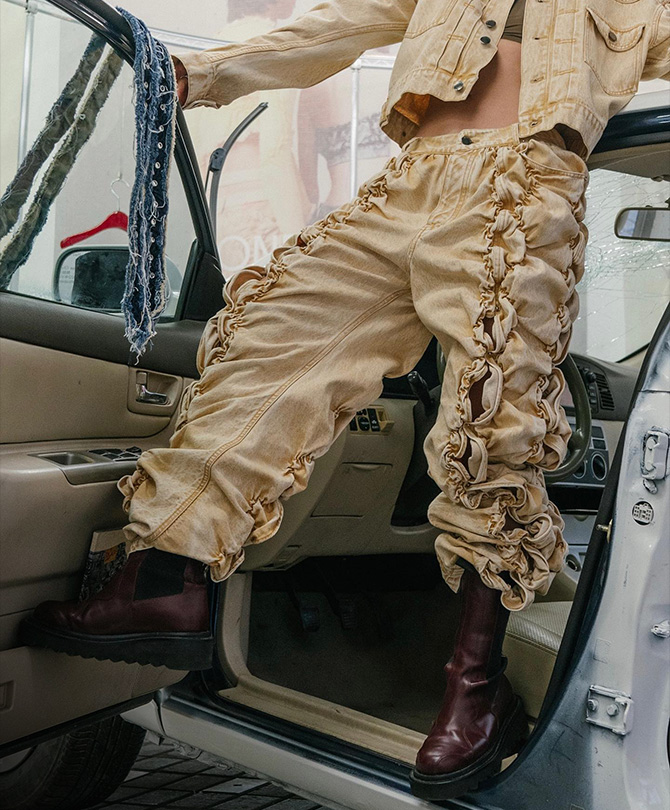
Are Washed Garment Programs Harder to Scale Than Plain Fleece or Jersey Styles?
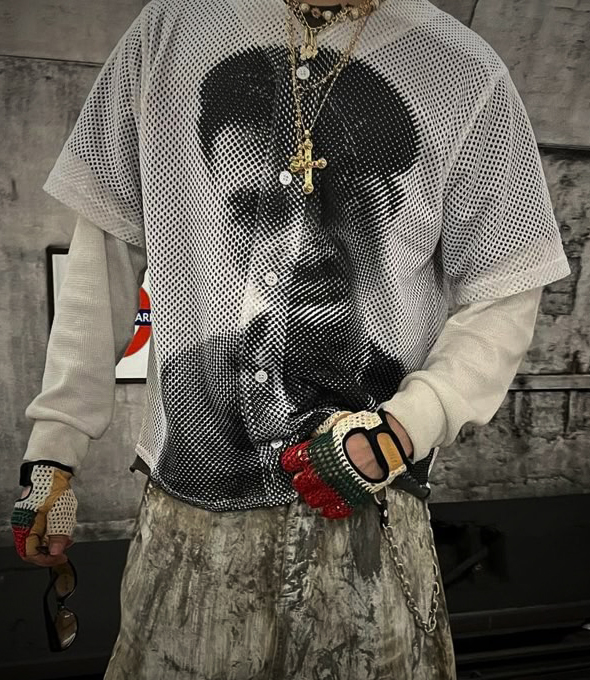
Can Sustainable Streetwear Manufacturing Still Support Fast Drops and Replenishment?
Streetwear consumers may not talk about shrinkage, fabric GSM, or wash control. But they can feel when a hoodie looks flat, when a graphic sits wrong, or when a vintage wash feels fake. As independent brands with real traction shift their focus toward sustainability, a new friction point has emerged: the conflict between ethical production standards and the fast-paced release schedules that define modern youth culture. The question is no longer just about using organic cotton or recycled polyester. It is about whether a streetwear manufacturer can execute complex washes, custom silhouettes, and heavy fabrics sustainably without causing launch delays or batch-level variations.
For established streetwear brands, the rhythm of drops and quick replenishment is non-negotiable. The modern fashion calendar does not wait for slow production cycles. Yet, sustainable production methods often require longer lead times, stricter material sourcing, and more controlled finishing processes. When a brand moves from conventional manufacturing to a more sustainable model, the supply chain reality often hits hard. The challenge is not just finding a factory that claims to be eco-friendly; it is finding a specialized streetwear factory capable of maintaining sample-to-bulk consistency under the pressure of tight release calendars. The transition exposes the gap between marketing claims and actual manufacturing capability.
Why Are Streetwear Consumers Paying More Attention to Fabric, Fit, and Finish?
Consumers are developing a sharper tactile awareness, recognizing that true premium streetwear is defined by how a garment drapes, how the fabric feels, and how the wash ages, rather than just the logo printed on it. This shift forces brands to prioritize complex construction and high-quality materials over basic blanks.
The era of slapping a graphic on a standard blank hoodie and calling it a collection is fading. Today’s streetwear market is driven by visual identity and physical substance. When an independent brand with proven sales drops a new collection, the audience expects a specific sensory experience. They want the 400gsm heavyweight fleece to feel substantial, offering the kind of structured drape that lighter fabrics simply cannot provide. They expect the acid wash to have an authentic, uneven texture rather than a uniform, mass-produced look that feels artificially applied. They look for the boxy, cropped fit that defines contemporary silhouettes, requiring meticulous pattern development rather than standard sizing templates.
This evolution in consumer taste directly impacts manufacturing requirements. A streetwear apparel manufacturer must now manage a much higher level of product complexity. Achieving the perfect vintage fade or distressed hem requires precise enzyme washing and pigment dyeing techniques. These processes are inherently unstable; a slight variation in temperature, water quality, or chemical concentration can drastically alter the final color and hand-feel. When sustainability is introduced into this equation—such as using eco-friendly dyes or low-water washing techniques—the margin for error shrinks even further. The challenge for production teams is to deliver this elevated aesthetic consistently across hundreds or thousands of units, ensuring that the bulk production matches the approved sample perfectly. It is no longer just about making a garment; it is about engineering a tactile experience that resonates with a highly critical audience.
How Do Sustainable Practices Complicate Sample-to-Bulk Consistency?
Sustainable materials and eco-friendly finishing techniques often behave differently during bulk production than in the sampling phase, increasing the risk of shrinkage, color variation, and silhouette imbalance when scaling up from a single prototype.
One of the most critical phases in streetwear product development is the transition from sample to bulk. A brand might approve a perfectly executed sample featuring a complex appliqué and a sustainable enzyme wash. However, when that same process is applied to a bulk run of 1,000 units, the reality of the supply chain becomes apparent. Sustainable fabrics, such as organic cotton or recycled blends, can exhibit different shrinkage rates compared to conventional materials. Their fiber structures might react differently to tension during the cutting and sewing phases. Eco-friendly dyes might not bond as predictably, leading to batch-level color variations that are difficult to control without harsh chemical fixatives.
This is where the distinction between a generic apparel factory and a specialized streetwear manufacturer becomes obvious. A general factory might not have the bulk-ready control systems needed to manage these variables. They might substitute a sustainable trim with a standard one to save time, or fail to adjust the pattern to account for the specific shrinkage of a recycled fleece, resulting in a distorted silhouette. For streetwear brands with validated market demand, these inconsistencies are disastrous. A drop that features misaligned graphics or unexpected fit issues damages brand trust immediately, and in a market driven by social media, negative feedback spreads rapidly. Therefore, procurement teams must evaluate potential partners not just on their ability to make a good sample, but on their robust quality control protocols, their understanding of sustainable material behaviors, and their ability to execute consistently during full-scale production.
Why Does Graphic Placement Matter So Much in Modern Streetwear?
Precise graphic placement is crucial because it dictates the visual balance and cultural authenticity of a garment; a misaligned print can ruin the intended aesthetic, making a premium piece look like a cheap imitation.
In streetwear, the graphic is often the focal point of the garment’s visual identity. Whether it is a massive screen print across the back of a heavyweight tee, a subtle high-density puff print on the chest of a hoodie, or intricate embroidery detailing on a varsity jacket, the placement must be exact. This is not merely a matter of aesthetics; it is about respecting the design intent and the cultural references embedded within the piece. When brands draw inspiration from skate culture, Y2K aesthetics, or retro sportswear, the proportion and positioning of the graphics are essential to capturing that specific vibe. A logo placed an inch too high or a back print that doesn't align with the shoulder seams can instantly downgrade the perceived value of the product.
However, executing precise graphic placement becomes significantly more difficult when dealing with sustainable fabrics or complex garment constructions. For instance, printing on a heavily textured, sustainable recycled cotton requires different ink formulations, screen tensions, and curing temperatures than printing on a standard smooth cotton. If a factory uses traditional plastisol inks on a sustainable fabric without adjusting the process, the print might crack prematurely, feel overly stiff, or fail to adhere properly after the first wash. Furthermore, when a brand scales production, maintaining the exact placement across different sizes—from a small cropped hoodie to an oversized XXL—requires meticulous grading and pattern development. A specialized OEM streetwear manufacturer understands these nuances and implements strict pre-production testing to ensure that the graphic impact remains consistent across the entire size run, adjusting screens and placements for each specific size rather than using a one-size-fits-all approach.
What Makes a Washed Hoodie or Tee Feel Premium Instead of Basic?
A premium washed garment achieves an authentic, lived-in texture and unique color depth through controlled, multi-step washing techniques, whereas a basic piece often relies on superficial, uniform treatments that lack character and tactile richness.
The demand for vintage-inspired streetwear has made complex washing techniques a standard requirement for many established brands. Acid washes, stone washes, and pigment dyes are used to create garments that look and feel as though they have been worn and loved for years. This tactile quality—the softness of the fleece, the slight fading along the seams, the unique color variations—is a major selling point. However, it is notoriously difficult to produce consistently, especially when incorporating sustainable practices.
Traditional washing methods are often water-intensive and rely on harsh chemicals to achieve dramatic effects. As brands push for more sustainable production, manufacturers are adopting low-water technologies, ozone washes, and eco-friendly enzymes. While these methods are significantly better for the environment, they require a much deeper technical understanding to achieve the desired aesthetic. An inexperienced factory might struggle to control the distressed detailing or the exact shade of fading when using these new sustainable processes. The enzymes might act unpredictably, or the low-water machines might not distribute the treatment evenly. The result is often a bulk run where half the garments look completely different from the approved sample, exhibiting uneven fading or unintended damage to the fabric structure. For fashion labels with an active customer base, this lack of consistency is unacceptable. It highlights why partnering with a streetwear manufacturing partner that has invested in advanced, sustainable washing technology and strict quality control is essential for maintaining a premium product positioning.
How Do Streetwear Brands Turn Cultural References into Manufacturable Products?
Brands translate cultural references into physical garments by aligning specific design elements—like boxy fits, heavyweight fabrics, and distressed finishes—with precise manufacturing techniques that capture the intended subcultural aesthetic.
Streetwear is deeply rooted in cultural movements, from 90s hip hop to early 2000s skate culture, and the resurgence of Y2K fashion. When a brand designs a collection inspired by these aesthetics, they are not just creating clothes; they are attempting to capture a specific attitude and lifestyle. This requires translating abstract cultural references into concrete technical specifications that a factory can understand and execute. A Y2K-inspired tracksuit might require a specific shiny nylon fabric, chunky hardware, contrast piping, and a particular baggy silhouette that pools perfectly over sneakers. A vintage college-inspired varsity jacket demands authentic wool blends, genuine leather sleeves, intricate chenille patches, and precise embroidery that mimics the craftsmanship of decades past.
The challenge for product development teams is finding a manufacturer capable of executing these diverse and complex requirements simultaneously. A factory that excels at basic t-shirts will likely fail when asked to produce a multi-technique jacket featuring both appliqué and screen printing, along with custom ribbed trims. The manufacturing partner must understand the cultural context of the garment to execute it correctly. They need to know why the ribbing on a vintage hoodie should be wider and more robust, or why the distressing on a pair of denim pants needs to look natural and organic rather than machine-made and repetitive. This level of cultural understanding, combined with technical capability, separates a generic supplier from a true custom streetwear manufacturer. It is about bridging the gap between the creative director's vision and the factory floor's reality.
Why Are Specialized Streetwear Manufacturers Becoming More Relevant for Fashion Labels?
Specialized manufacturers offer the technical expertise, bulk-ready control systems, and cultural understanding necessary to execute complex, high-quality streetwear designs consistently, reducing the downstream quality risks associated with general apparel factories.
As the streetwear market matures and consumer expectations for product quality and consistency skyrocket, the limitations of traditional sourcing models become glaringly apparent. Independent brands with real traction can no longer rely on general apparel factories that treat streetwear as just another category, applying the same production methods they use for basic corporate wear or fast fashion. These brands need partners who understand the specific nuances of heavyweight fabrics, complex washes, oversized silhouettes, and intricate decoration techniques. They need a production system built for bulk-ready control, ensuring that the 500th piece looks exactly like the first sample, even when utilizing unpredictable sustainable materials.
This is why specialized streetwear factories are becoming indispensable. They offer a level of technical capability and quality control that general factories simply cannot match. They have dedicated teams for pattern making that understand contemporary streetwear fits, and they invest in the specific machinery required for heavy fleece and complex washes. For instance, when brands are evaluating their sourcing options, looking at a China-based example of premium streetwear manufacturer can provide insight into how specialized facilities manage complex, technique-intensive production. These manufacturers understand that sustainable practices must be integrated without compromising the product's visual identity or the brand's drop schedule. They have the systems in place to handle the friction between ethical production and fast replenishment, offering a strategic advantage for brands looking to scale without sacrificing their core identity.
How Should Fashion Teams Compare Trend Appeal with Production Reality?
Fashion teams must evaluate whether a trend-driven design can be reliably and sustainably produced at scale, balancing aesthetic ambition with the practical constraints of lead times, material behavior, and factory capabilities.
The lifecycle of a streetwear trend can be incredibly fast. A specific wash, a unique distressing technique, or an exaggerated silhouette might dominate the market for a season and then fade. For brands, the temptation is to jump on these trends quickly to capitalize on consumer demand. However, product teams must carefully weigh the appeal of a trend against the reality of production. Designing a complex, multi-panel hoodie with a sustainable acid wash and mixed-media decoration might look great on a mood board, but if the factory cannot produce it consistently within the required lead time, the drop will fail, resulting in missed opportunities and dead inventory.
Procurement and design teams must work closely with their manufacturing partners during the early stages of product development to navigate these challenges. They need to ask the hard questions: Can this sustainable fabric handle this specific print technique without compromising durability? Will this eco-friendly wash cause unpredictable shrinkage or color shifting in bulk production? How will this complex construction affect the lead time for replenishment if the item sells out quickly? By addressing these issues before moving into full-scale production, established streetwear brands can mitigate risks and ensure that their collections meet both their aesthetic standards and their operational requirements. The ability to navigate this intersection of design, sustainability, and manufacturing reality—building a reliable system rather than just chasing the next hot item—is what ultimately separates successful, enduring brands from those that struggle to scale.
The Future of Premium Streetwear Production
As we look toward the future, the intersection of sustainability and fast-paced streetwear drops will continue to define the manufacturing landscape. Brands with validated market demand will increasingly seek out production partners who can offer more than just cut-and-sew services. They will require strategic collaborators who can provide innovative solutions for eco-friendly washes, sustainable fabric sourcing, and agile replenishment systems. The focus will shift from merely finding a factory to building a resilient, adaptable supply chain that can support the brand's creative vision without compromising its ethical commitments or its commercial viability. In this evolving environment, the true value of a specialized streetwear manufacturer lies in their ability to turn complex design concepts into consistent, high-quality reality, drop after drop.